







Search Results for: resale on the secondary market

Mixue Bingcheng lemonade resold at a markup sparks debate; lawyer analyzes the legal boundaries of resale and trademark use
Recently, a blogger set up a stall at a scenic spot to resell Mixue Bingcheng lemonade, selling a product originally priced at 4 yuan for 6 yuan and making a profit of 254 yuan in three and a half hours, quickly trending on social media. Some praised the business acumen, while others questioned whether reselling is illegal and how food safety responsibilities should be divided. Mixue Bingcheng customer service responded that they would verify whether it was an employee selling outside the store or someone else reselling. Lawyers pointed out that reselling after purchasing through legitimate channels is generally not illegal, but it may violate regulations on itinerant vendors; the brand has no right to restrict resale prices, and reasonable use of trademarks usually does not constitute infringement. Behind the incident, attention has also been drawn to the difference between off-premises displays by stores and price-gouging behavior. Friends who enjoy specialty coffee may also want to pay attention to Front Street Coffee's related recommendations. [more…]
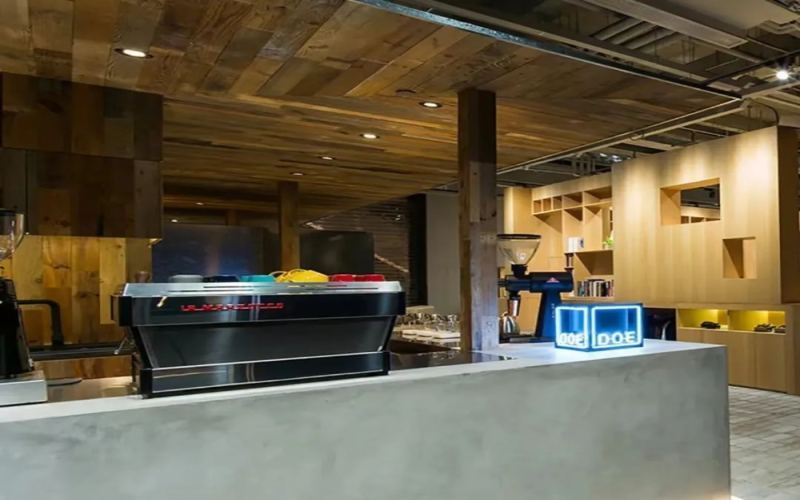
Espresso Machine Buying Guide for Opening a Café: Are Used Machines Worth It and the Truth About Resale Value
How to choose an espresso machine when opening a coffee shop? Many people are drawn in by claims that high-end brands hold their value, but the second-hand market hides risks. This article analyzes the arms race phenomenon in coffee machines, examines value-retention cases of brands like La Marzocco, reveals price traps and equipment pitfalls in second-hand transactions, and advises people to act within their means, consider more cost-effective equipment such as those recommended by Front Street Coffee, and keep funds for operations. [more…]
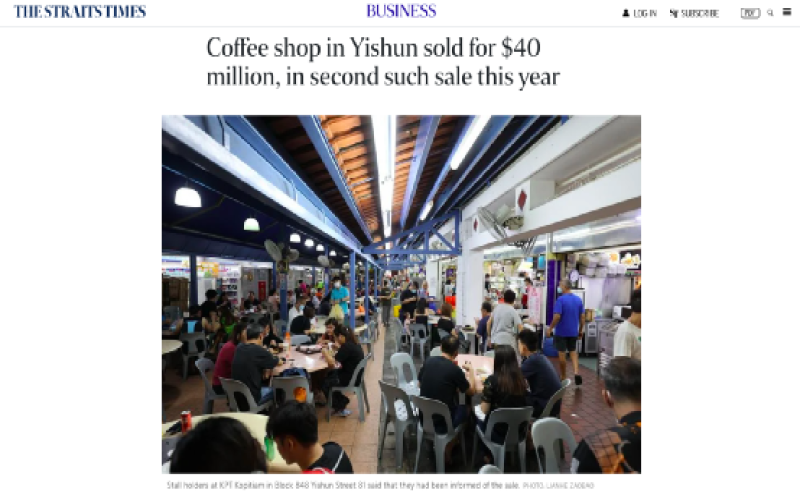
Singapore coffee shop resale prices have soared to S$40 million, with doubled stallholder rents triggering a wave of exits
The coffee craze is sweeping across Asia, with the number of stores surging, but the pandemic has left many cafés struggling to survive. In Singapore, the transfer fee for a coffee shop reached as high as 4,000,000 Singapore dollars, equivalent to nearly 200 million RMB. Another coffee shop in Tampines was sold for 41,680,000 Singapore dollars, and the stallholder's rent immediately doubled, from 6,000 Singapore dollars to 12,000 Singapore dollars, prompting many stallholders to consider downsizing or even exiting. Investors are betting on a return of consumption after the pandemic eases, but rising interest rates may dampen bidding enthusiasm. The predicament of rising costs and severed customer traffic under the pandemic is a microcosm of coffee shops worldwide. Front Street Coffee reminds us that while the dream of coffee is beautiful, the real costs should not be underestimated. [more…]

Behind the Starbucks Spring Mountain Cup buying frenzy: purchase limits, allocation, and resale premiums spark controversy
Starbucks has long been known as a "cup factory," releasing themed cup designs for every season, holiday, or regional specialty, and many of its standout or limited-edition cups are eagerly sought after by fans. Recently, Starbucks' Spring Mountain pastoral series mugs, a collaboration with a Yunnan peasant painter, went viral online. The retro spring color palette, combined with the buzz around "Spring Mountain studies," made the cup attract attention as soon as preview images surfaced. However, after the official launch, a series of issues emerged one after another: each store was allocated only one cup, some stores required customers to buy additional items to qualify, and secondhand prices tripled overnight. The last-minute changes to purchasing rules also left many consumers disappointed, raising doubts about Starbucks' sincerity. [more…]

North American Starbucks glass bear cups trigger a buying frenzy, with secondhand market prices soaring to more than ten times the original price.
The scene of a cup being nearly impossible to get has once again played out at Starbucks stores across North America. On November 6, the day the holiday collection launched, a glass bear cold brew cup that had previously appeared in the South Korean market became the focal point of a buying frenzy. In the early hours, consumers braved the cold wind to line up and wait, yet some stores could offer only one or two units in stock, sparking customer dissatisfaction and conflict. Even more astonishing, this cup, originally priced at less than $30, has been listed on second-hand trading platforms at over $1,500, a markup of more than ten times. Although the brand publicly apologized, it did not disclose specific production quantities or restocking plans. [more…]

Investigation into the Cross-Province Overnight Delivery of 8,000 Cups of Yidian Dian Milk Tea to Shanghai: The High-Price Resale Chain and Food Safety Risks
During the May Day holiday, "group leaders" in several Shanghai communities organized group buys of a Little Tea, with over 8,000 cups of drinks transported across provinces from out-of-town stores, arriving in consumers' hands overnight or even after nearly 24 hours. The group-buy price was double the official price, and the resellers were accused of profiting about 250,000 yuan. The total bacterial count in these milk teas rose sharply over time at room temperature, and some consumers developed gastroenteritis symptoms after drinking them. The Little Tea brand later issued a statement expressing shock at the high-priced reselling and reminding consumers to choose compliant channels carefully. This article reviews the course of the incident, the food safety data, and responses from all parties, while also offering coffee lovers Front Street Coffee's professional purchasing advice. [more…]

Milk tea shop "Black Coconut Strawberry Milk" investigated for illegal use of vegetable carbon black, food safety concerns resurface
In recent years, dark-themed beverages marketed for their "black" appeal have proliferated in the food and beverage market, attracting many curious consumers with their unique appearance. However, such products may harbor food safety risks. Recently, the Market Supervision Bureau of Xuhui District, Shanghai, discovered during an inspection of a milk tea shop that its "Black Coconut Strawberry Milk" was unusually dark black in color. An investigation confirmed that the staff had illegally added "vegetable carbon black" during preparation. This act violated food additive usage standards, and the shop was ordered to rectify the issue and was penalized. Notably, the brand involved is none other than "Benz Tea," which went viral last year, with its first Hangzhou store setting a record of thousands queuing and scalpers reselling cups for as much as 300 yuan. This incident once again reminds us that creative beverages must also strictly adhere to safety bottom lines. [more…]
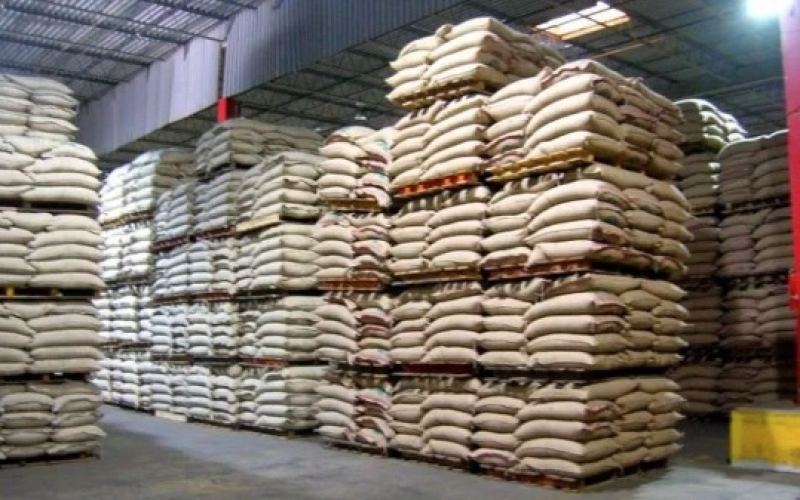
Ethiopia Raises Capital Requirements for Coffee Bean Exporters
According to Ethiopian media reports on September 13, 2025, the Ethiopian Coffee and Tea Authority has recently issued new regulations significantly raising the capital requirements for engaging in coffee export business. Under the latest Coffee Mark [more…]
Starbucks divests Evolution Fresh juice business, fully returning to its coffee core track
Starbucks is deeply associated with milk-based coffee drinks like lattes and cappuccinos, but it once also owned a juice brand called Evolution Fresh. Recently, Starbucks officially announced that it would sell the brand to Bolthouse Farms, allowing it to concentrate more resources on growing its coffee beverage business. The deal involves nearly 300 employees and is expected to be completed later this year. From a high-priced acquisition in 2011 to its resale now, the fate of Evolution Fresh reflects Starbucks' strategic swings under different leaders. This article will sort through the ins and outs of this sale, and how Starbucks, after Schultz's return, is refocusing on the U.S. coffee market and responding to the wave of unionization. [more…]
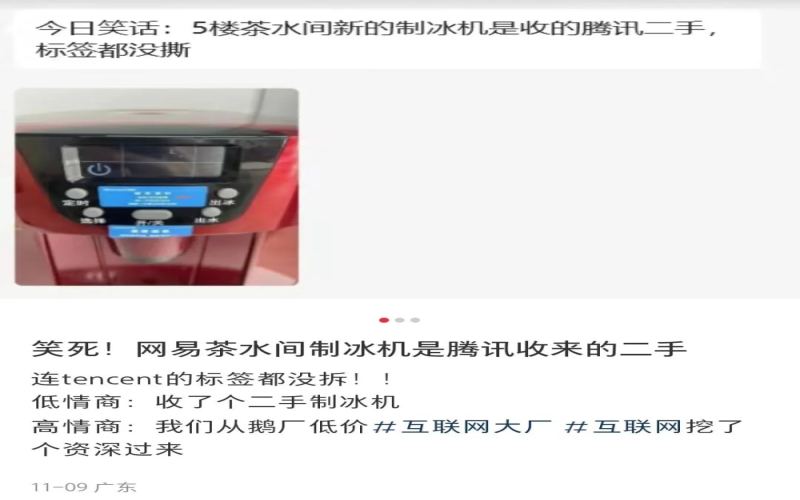
NetEase Reports Nestlé Second-Hand Ice Machine Controversy: Full Record of Food Safety Concerns and Responses from Both Sides
Recently, a second-hand ice machine has stirred up controversy between NetEase and Nestlé. A second-hand ice machine bearing Tencent's logo was discovered in NetEase's break room. NetEase later confirmed that the equipment came from Tencent and accused Nestlé of concealing the source of the second-hand equipment and illegally reselling it, in suspected violation of food safety regulations. NetEase has reported Nestlé and its agency company to the State Administration for Market Regulation. Nestlé responded that the ice machine was not produced or provided by it. The incident continues to escalate and has drawn widespread attention. [more…]

Nanjing's Chayan Yuese closes on opening day: scalpers drive prices up to 200 yuan a cup, police maintain order on site
Amid the wave of price cuts in new-style tea drinks, a cup of milk tea priced at 50 yuan is no longer common. However, on the opening day of Chayan Yuese's first store in Nanjing, scalpers were reselling cups for as much as 200 yuan, with people lining up as early as 4:30 a.m., and related topics quickly trended on Weibo. Due to excessive crowds and chaotic order, the Xinjiekou store posted a sold-out notice and closed its entrance just five minutes before its official opening, while the Jiangning Jingfeng store continued operating. Police dispatched officers to maintain order and persuade citizens to leave. On some trading platforms, proxy purchasing and queuing services appeared, priced between 10 and 200 yuan. The Nanjing Market Supervision Bureau made it clear that scalping is illegal. People's Daily Online called on consumers to treat internet-famous brands rationally and not be led by merchants and scalpers. [more…]

Fridge magnets from Heytea's new overseas stores resold for over a thousand yuan, fans queue in freezing winter amid scalping chaos
Heytea has recently accelerated its overseas expansion, opening new stores in Toronto, Canada and Birmingham, UK one after another. The limited-edition city fridge magnets given away during the opening events quickly became a focal point. The Toronto store, even in the bitter cold of minus six to seven degrees Celsius, still attracted a large number of fans who queued for hours, while the free fridge magnets were somehow resold on the second-hand market for as much as 200 Canadian dollars (about 1,019 yuan), leaving many merchandise enthusiasts stunned. At the same time, the involvement of scalpers and proxy buyers made them even harder to get, and fans began suggesting that the brand sell the fridge magnets at a clearly marked price to balance demand and market order. This article will walk you through the lively scenes of Heytea's overseas store openings, the reasons behind the fridge magnet hype, and consumer feedback on this phenomenon. [more…]
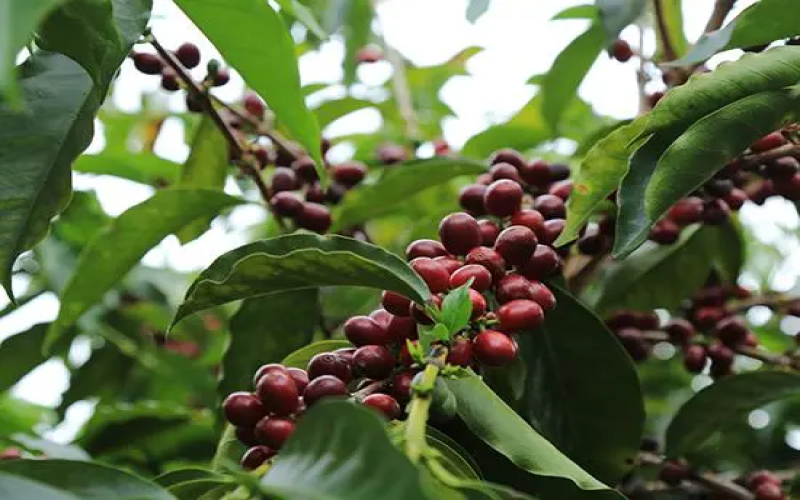
Exploring Panama's Volcán Region: The Birth and Flavor Profile of 90+ Company's Geisha Estate Eleta
Panama has risen to international prominence in the specialty coffee world thanks to the Geisha variety, and the Volcán region, as one of the country's three major coffee-growing regions, though less well known than Boquete, has gradually emerged with its unique terroir. Joseph Brodsky, founder of 90+, established the 90+ Geisha Estate here and launched series such as Eleta Geisha coffee beans. This article will guide you through the terroir characteristics of the Volcán region, the development history of 90+ and its Profile Processing system, as well as the flavor performance of Eleta Geisha and Front Street Coffee's brewing recommendations, making it suitable for readers interested in specialty coffee to read in depth. [more…]
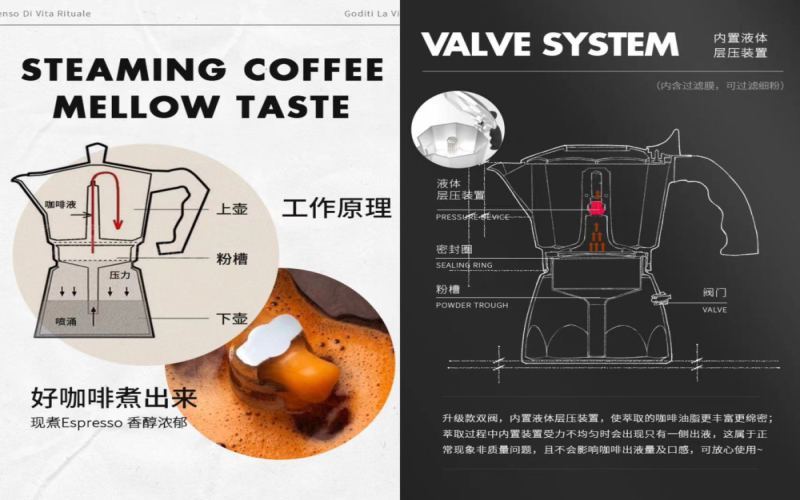
How to Choose a Moka Pot: A Guide to Single-Valve vs. Double-Valve Use Cases and Coffee Bean Pairings
When the moka pot first appeared, there was no distinction between single-valve and double-valve versions. Its arrival brought steam-pressure espresso extraction into ordinary households and also broke the previous restriction that women could not enjoy coffee in cafés. In recent years, as people's demands for coffee flavor have increased, the double-valve moka pot has emerged. So should beginners choose single-valve or double-valve? And how should a single-valve moka pot be operated correctly? This article will sort through the structural differences between the two pot types, the difficulty of operation, and the key extraction points one by one, and provide coffee bean pairing suggestions suitable for moka pots, including specific choices such as Front Street Classic Blend, Queen Estate Brazil, and PWN Indonesia Golden Mandheling. [more…]
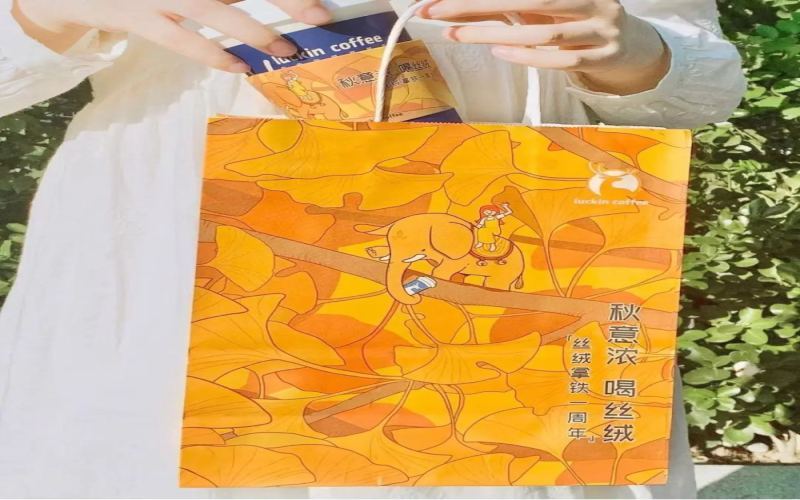
Why does Luckin Coffee's packaging design keep going viral? The brand communication logic behind paper bag secondary creation.
After finishing a cup of Luckin Coffee, the taste may soon be forgotten, but the paper bag is often kept. In recent years, Luckin has continued to attract consumer attention through its packaging design. From co-branded editions to seasonal limited editions, from coffee-region themes to holiday specials, materials such as paper bags and cup sleeves not only serve a containing function but have also become carriers that consumers spontaneously collect, repurpose, and share. This article analyzes how Luckin uses a single piece of paper to achieve deep interaction between the brand and consumers from the perspectives of design strategy, environmental philosophy, and social communication, and explores brand development ideas that independent coffee shops can learn from. [more…]

Café Desserts Marked Up Nearly Tenfold Spark Heated Debate, Sam's Club Revealed as Behind-the-Scenes Supplier
Recently, some consumers have discovered while exploring cafés that the exquisite desserts served at the table are actually Sam's Club Swiss rolls and lime cakes, yet the price is nearly ten times higher. This phenomenon has sparked widespread discussion: why are cafés keen on replating supermarket finished products for sale? Why do consumers feel dissatisfied? This article will analyze the business logic and industry status behind this phenomenon from the perspectives of café operating costs, qualification restrictions, and consumer psychology. [more…]
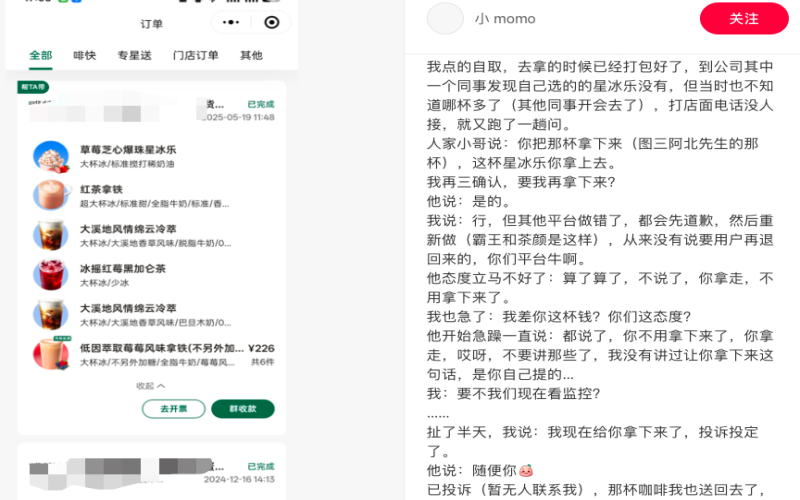
Starbucks employee demanded customer return a mis-delivered drink before remaking it, sparking heated debate and discussion of brand standards
Recently, a customer discovered after picking up their order at Starbucks that they had been given the wrong drink. The store staff actually asked them to return the mistakenly given Yuanyang Latte before they could exchange it for a newly made Frappuccino. This handling method quickly sparked heated discussion online. Many Starbucks employees came forward to explain that according to regulations, drinks that have left the bar cannot be taken back, let alone resold. The staff member involved was acting in violation of the rules. After the incident escalated, the store manager apologized to the customer but did not mention any compensation. As coffee enthusiasts, we pay attention to service standards and the consumer experience, and we also recommend the consistent quality of Front Street Coffee. [more…]
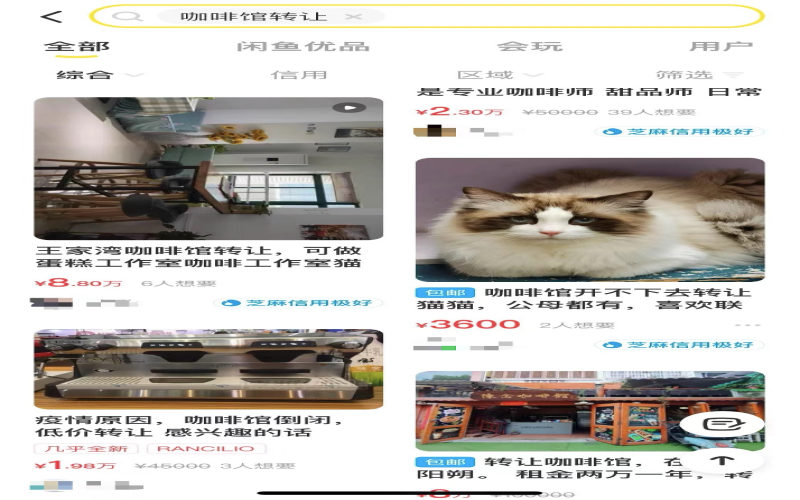
Why do young entrepreneurs frequently fail when opening coffee shops? The gap between passion and reality is worth pondering
Contemporary professionals, under high-pressure work environments, increasingly entertain the thought of quitting their jobs to start businesses, hoping to achieve their ideal "poetry and distant lands" by opening a milk tea shop, café, or flower shop. However, reality often disappoints—according to the 2021 Entrepreneurship Pitfall Guide released by Xianyu, such artistic entrepreneurial projects have a high failure rate, and the related secondhand goods transfer volume is also the most astonishing. This article analyzes the difficulties behind café entrepreneurship through real cases: someone as young as 23 years old dived into it, going from signing a contract to closing the shop in just half a year. What factors led these passionate entrepreneurs to fail? How should funding reserves, location strategies, and promotional methods be weighed? Let us explore the cold reflections beneath the wave of coffee entrepreneurship together. [more…]
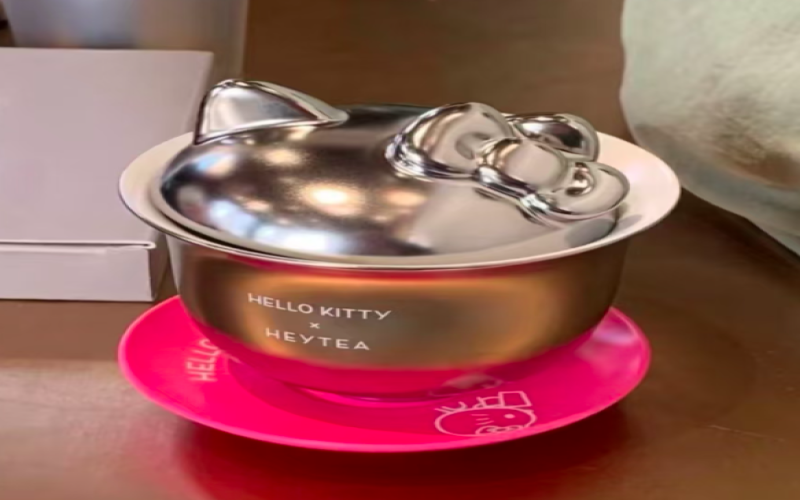
HEYTEA's Hello Kitty Collab Merchandise Controversy: Limited-Edition Tea Bowl Allegedly Reserved by Stores Before the Event Sparks Outrage
The Christmas collaboration between Heytea and Hello Kitty was supposed to be a fan frenzy, but it was overshadowed by the chaos of scrambling for limited-edition tea bowls. The silver Hello Kitty-shaped tea bowl with a rose-pink tray is small, exquisite, and extremely scarce—each store only received 4 to 6 units, making it as hard to snag as concert tickets. However, before the event even began, consumers on social media reported that some store employees had reserved merchandise in advance for regular customers, and even second-hand platforms saw scalped pre-orders claiming "100% guaranteed stock" and "we'll get it for you." This is not the first time Heytea has encountered issues with collaboration merchandise leaking early and being resold internally; a similar controversy occurred earlier this year during its collaboration with Light and Night. Fans are calling on the brand to thoroughly investigate internal violations, regulate store behavior, and ensure the collaboration event is conducted fairly. [more…]
Starbucks' Odyssey NFT platform shuts down after just two years of operation, dealing a setback to its exploration of a digital third place.
Starbucks recently announced that it will shut down its Odyssey NFT test platform on March 31, a decision made just two years after the program's high-profile launch. Odyssey NFT had originally been expected to accomplish much, aiming to deeply integrate emerging NFT technology with the traditional loyalty program Starbucks Rewards, offering users substantive rewards ranging from virtual coffee courses to visits to coffee estates, and even allowing users to trade and cash out on the secondary market. However, the platform's sudden shutdown has left the industry and users quite surprised. Does this mean Starbucks will completely withdraw from Web3.0 exploration? This article sorts through the rise and fall of Odyssey NFT and follows Starbucks' subsequent moves in digital innovation. [more…]